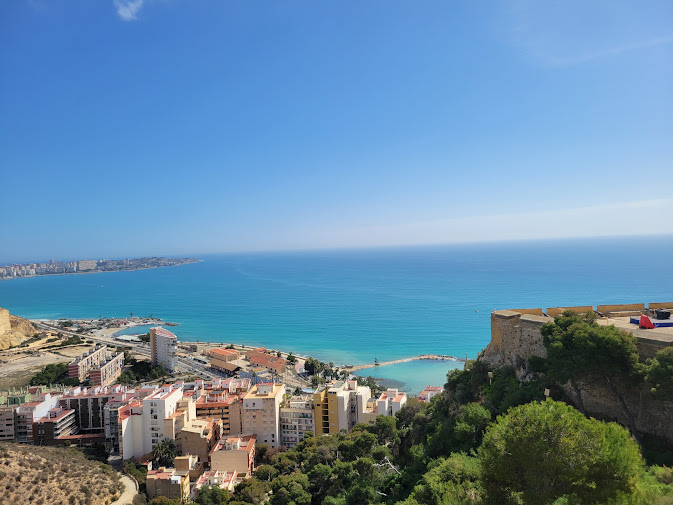
It’s hard not to sound like a travel agency hack when writing about Alicante, Spain. I mean, the place is THAT good.
Sure, Ted and I approached our six-week stay there with a critical eye. We were considering Alicante as our future home, after all.
And yes, we duly took note of comments from some of the locals about how we were visiting during the most pleasant months–March and April–on the city’s annual calendar. The heat is intense in summer, they warned, the mosquitoes almost as bothersome as the cruise ship passengers and other tourists who invade the city’s streets in greater numbers than they do in winter and spring.
Still, Ted and I might as well have come home with “I Heart Alicante” stickers on our foreheads.
The place won us over.
And just when we were thinking we couldn’t love the Spanish way of life more, darned if the government didn’t announce a reduction in the work week from 40 to 37.5 hours. “We work to live,” said the nation’s labor minister. “Not live to work.”
All righty, then!
So, herewith are some of the things we liked most about our trip to Alicante.
1. The coffee. Even the tiniest restaurants have an espresso machine. Servers are skilled in using them, proud of the rich, frothy brews they bring to your table.
I was surprised that less common concoctions in the states, like the high-octane cortado, pictured below, are ubiquitous in Alicante, made with perfect consistency across the city, with nary a camarero asking, “¿Qué es eso?” With all our travel to Petaluma over the past year, we thought California set the gold standard for great coffee.
Until now.
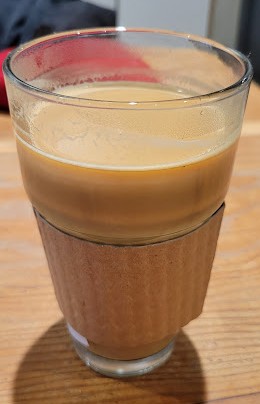
Another refreshing thing about Alicante is that employers actually seem to employ people … plenty of people to provide good service. What a pleasure to have someone bring coffee on a tray to your table, someone being careful not to slosh a single drop from cup to saucer. Compare that to coffee in the U.S., where often a 22-year-old with a headset and a nose ring barks your name from the counter when your order is ready. (If I sound like an old coffee snob here, so be it.)
2. The pours. Wine is modestly poured in Alicante, rarely exceeding five ounces per glass.
But the cocktails? Look out!
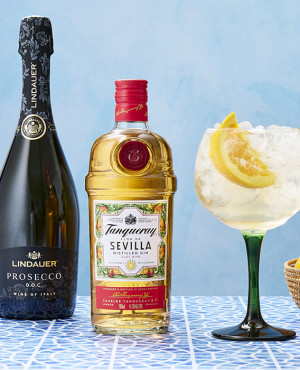
Red and white sangria and other mixed drinks are typically served in Game-of-Throne-size goblets with only a little ice. Our favorite was the Sevilla Spritz made with orange-flavored gin and tonic or sparkling wine. (Photo from Toast magazine.)
We loved them in early April, but the locals say you can only truly appreciate them on a hot summer day.
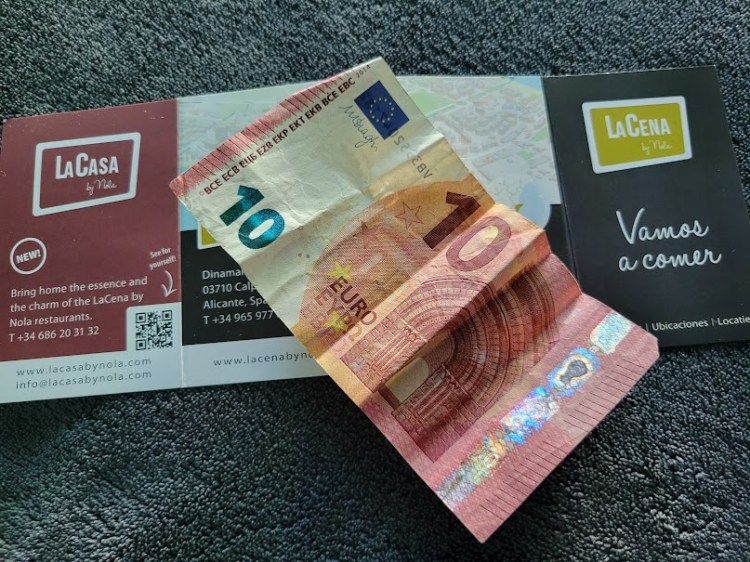
3. The prices. A cortado, a cappuccino and a deliciously shareable pastry were $7.48 at our favorite post-swim coffee shop. A wonderfully dry bottle of white tempranillo was under $4.00 at our neighborhood grocery.
Everything from bus fare to nice dinners out to contact lens solution to real estate is the same happy story: Life is less expensive in Alicante.
And did I mention that tipping is not required at bars and restaurants? That’s extra money in your pocket to bring back home.
4. The pace. We learned a lot from a multilingual friend and American ex-pat in Alicante, who expounded at length one evening on la sobremesa, the Spanish and Latin American tradition of prolonging conversations and relaxing at the table after a meal.
To our friend, the sobremesa is as important an ingredient to the healthful Mediterranean diet as the food.
And because tipping is not required at restaurants, as I mentioned above, servers aren’t motivated to turn their tables. In fact, they don’t bring your check to the table until you ask for it. You can stay as long as you like.
We often did.
The Spanish word postre is happily free of the guilt triggers lurking in its English counterpart, dessert, making it oh-so-easy to order one or two for the table. Glasses of the local herbal liqueur, cantueso, or limoncello are typically served gratis afterward.
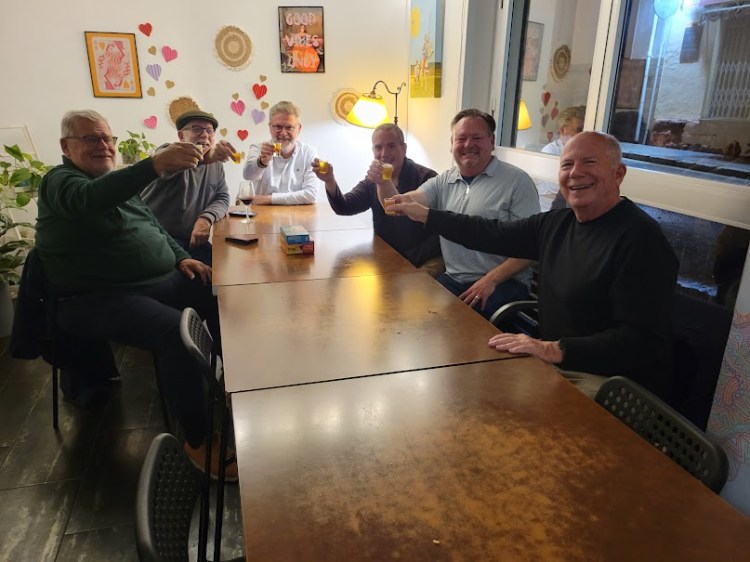
Here we are on March 19 toasting with our new friends who recently made the move from the United States to Alicante: from left, Raúl and Rob Pilling-Riefkohl and Alberto and Glenn Molina-Coats. Model couples? Indeed, especially for those of us embarking on a similar journey.
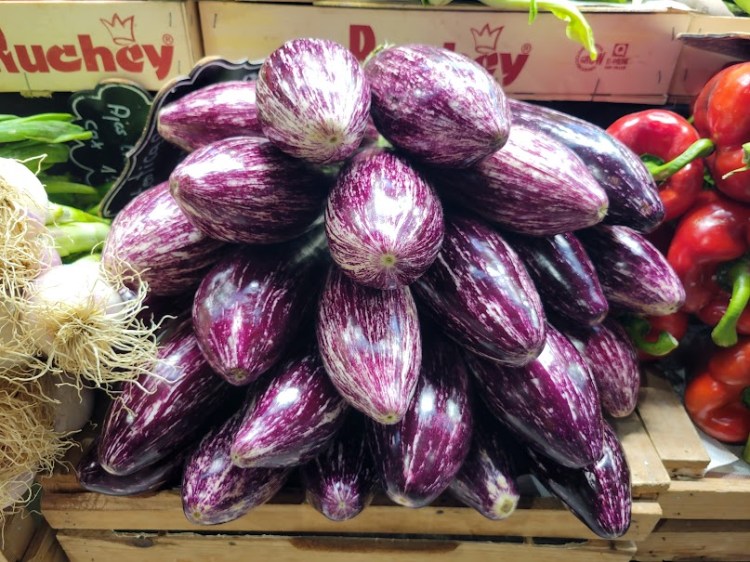
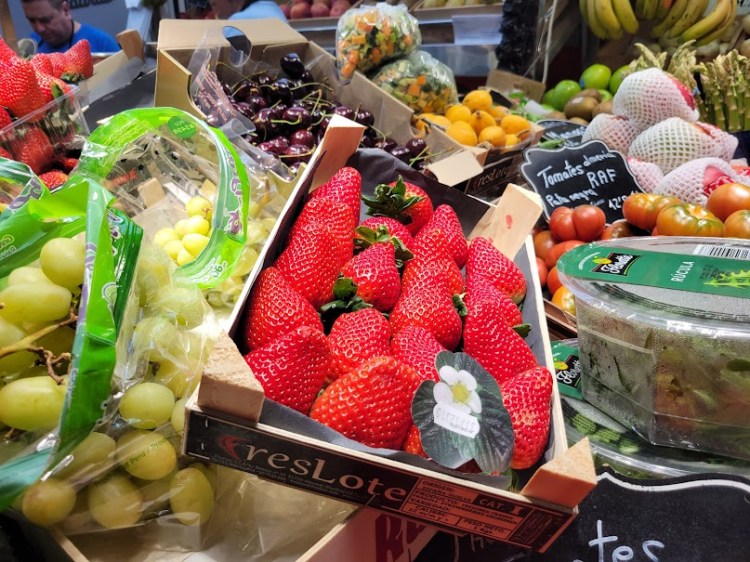
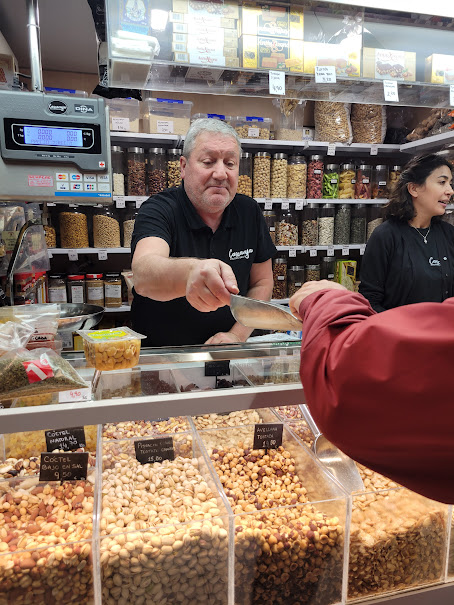
5. The produce. Fresh vegetables and fruits abound here. And the nuts! Hazelnuts, pistachios and sweet, buttery Marcona almonds are wonderful.
Compare fresh almendras fritas, delicately browned in oil and lightly salted, with the packaged store-bought variety that are greasy and heavily salted. Well … there really is no comparison.
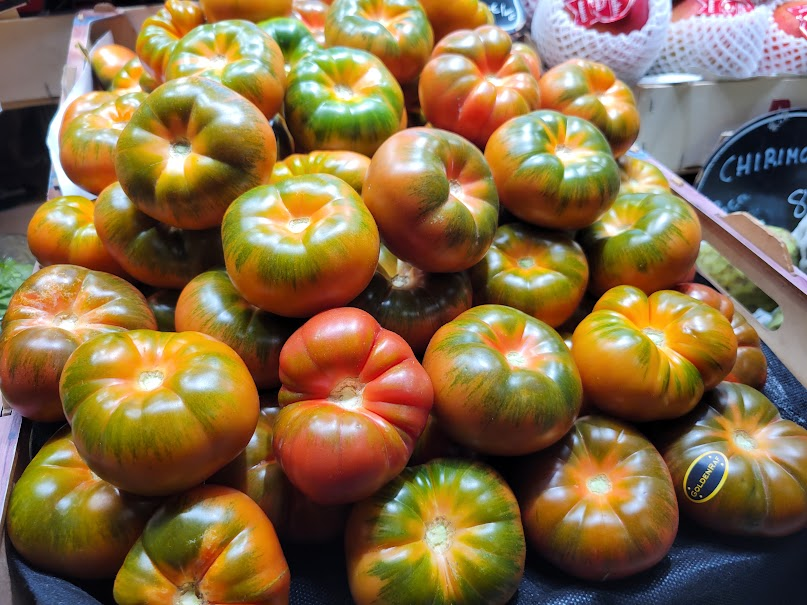
Other photos below from the enormous double-decker Mercado in the town center tell more of the story.
Don’t be fooled by the green tomatoes. They are as tartly sweet as a passionfruit, as juicy as a good apple … ready to eat just as they are.
6. The pecks. Get ready to be kissed in Alicante.
A lot.
It’s a tradition for Spanish people to greet each other with a kiss on each cheek in most social situations. (You’ll get the evil eye if you kiss only one cheek.) When we met with realtors, bankers and others in a business setting, a handshake was appropriate, but anywhere else, pucker up!

In these mostly-post-Covid days, it’s kind of nice. Definitely an ice-breaker. And a little statement that says “we don’t take ourselves so seriously here. Relax. Let’s enjoy each other’s company.”
I like that.
7. The people. You can tell a lot about a place by riding its buses.
On one bus trip in Alicante, we encountered what looked and sounded like an escalating argument between a woman in her 40s and her mother or grandmother. It was alarming at first, but then we realized the younger woman had offered her seat to the older lady, who was vociferously refusing the offer.
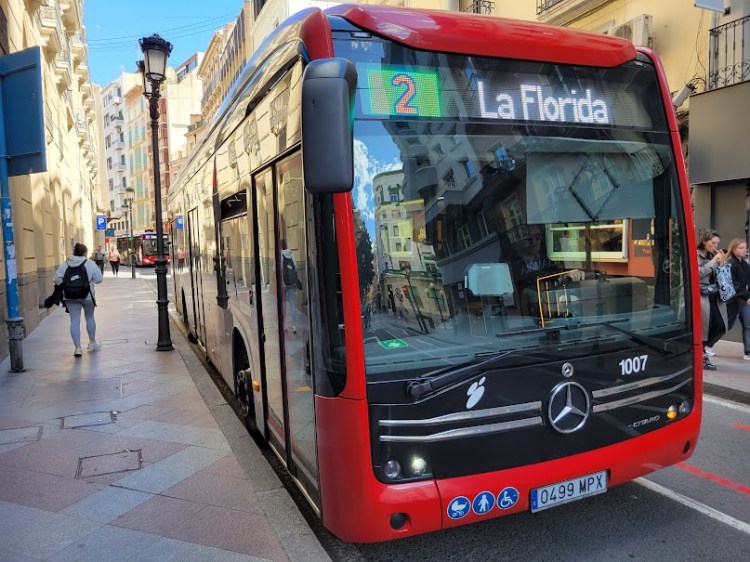
Such passionate emotion over a common courtesy! Similar scenes occurred frequently on our bus rides, though not quite as noisily.
It’s true: People make an extra effort to be kind in Alicante. We experienced it day after day.
- The lifeguard at the pool where we swam making a point to speak to us each morning in the little bit of English he knows.
- The barista laughing when we realized we’d walked away from the cafe without paying our bill. “De nada,” she said.
- The bus driver cheerfully leaving his seat to extend a ramp to the sidewalk for a passenger in a wheelchair.
- Even the many signs in English that we spotted at the airport when we landed in Alicante on March 2. The one below is the first we saw; it told us we had arrived in a place that welcomed visitors from other countries. Boy, was that good to know!

Plus, the warm welcome from members of the Alicante Rainbow LGBTQ+ community was phenomenal. Invitations to drinks and concerts, Sunday lunch and evening meals kept us far busier socially than we’d ever dreamed we’d be on our overseas visit.
Indeed, we never felt like strangers in a strange land in Alicante.
To the contrary.
We felt we were home.
P.S. I could say so much more about Alicante. The liveliness of the city day and night. (With a population of 380,000, it manages to have an urban and a small-town feel all at the same time.) The men stunning in tailored suits and overcoats, the women glamorous even in jeans and impeccably pressed, oversized white shirts with the sleeves rolled up. The beautiful Mediterranean views from the Castilla de Santa Bárbara, pictured at the top of this blog.
The public art. The music. The beach. The way locals light up when it is understood that you know only a little bit of Spanish and they know only a little bit of English. It’s amazing the bond that forms when that happens. And there is usually someone nearby who can help things along. We depended on that a lot while we were there!
Most of all, it was a joy simply being with people who are happy. Not apprehensive or afraid. Not being led on a merry game of “What’s Next?” by their nation’s leaders.
But I’ll save all that for another post.
It’s cocktail time … and Ted is making Sevilla Spritzes.
 Mike Coleman
Can you subscribe please 🙏
LikeLiked by 1 person
Done. Thank you.
LikeLike